


Independent Research & Analysis
Documented perspectives for professional investment and corporate teams.

French Debt: More Resilient Than the Headlines Suggest
Look beyond France’s headline debt ratio to the public-sector balance sheets and cash flows behind it. Central-bank ownership, institutional resilience and the timing of income reveal a more nuanced risk picture than an alarmist reading of the gross stock.


A defence backlog is a promise to manufacture
A company-specific examination of European defence backlogs, order definitions, advances and cash conversion. Primary releases from six manufacturers show why demand visibility, delivered earnings and distributable cash require separate analysis.

The fleet is measured in time as well as ships
A container-shipping analysis of cycle time, chokepoints, port congestion and effective TEU supply. Reported Hapag-Lloyd freight and volume observations are paired with original round-trip and fleet-growth scenarios, separating nameplate capacity from annual service.

Copper scarcity begins before the refinery
A value-chain analysis of copper concentrates, smelting capacity, refined metal and inventories. Reported plant throughput and mine production are paired with explicit treatment-charge and inventory-buffer scenarios to distinguish upstream scarcity from downstream margins.

LNG capacity is not the same as LNG optionality
An examination of LNG destination rights, fixed and variable contract payments, shipping time, terminal access and downstream transmission. Reported US export destinations and utilisation denominators anchor scenarios for delivered netbacks and cancellation decisions.

AI demand is not a return on capital
A cash-flow examination of AI infrastructure investment that separates demand growth, commissioning, depreciation, utilisation and economic returns. Company-reported capex observations are paired with explicit asset-life and utilisation scenarios.

The scarce asset is the energised connection
An examination of the difference between generation applications, physical transmission, enforceable connection rights and power actually available to a customer. Reported queue and Irish electricity observations anchor explicit timing and utilisation scenarios.

A Buyback Is a Price Paid, Not a Growth Engine
An examination of share repurchases that reconciles authorisations, executed spending, share issuance, weighted-average diluted shares and enterprise cash economics. Primary company and index-provider disclosures are paired with original scenarios showing how purchase price and financing determine the result for continuing owners.

Concentration Is an Exposure, Not a Forecast
A mechanism-based examination of equity-index concentration, combining original weight and shock arithmetic with primary index-provider and fund-industry observations. The article separates automatic weight drift, net subscriptions, index reconstitution and ETF creation, and explains why concentration alone cannot establish a causal return prediction.

The Office Problem Arrives at Maturity
An office-property credit framework that reconciles occupancy with net cash generation, collateral valuation and refinancing constraints. Dated MBA maturity observations and BXP portfolio disclosures anchor the analysis; explicit scenarios distinguish a useful extension from postponement of an unrecoverable capital gap.

Income Accrued Is Not Interest Collected
A reconstruction of private-credit cash economics using primary BDC disclosures and supervisory research. The analysis separates contractual payment-in-kind interest from distressed amendments, reconciles accrual income with lender cash needs, and shows how valuation and portfolio growth change non-accrual percentages without curing a borrower.

A Bond Loss Is Only Half an Insurance Balance Sheet
An asset-liability analysis of European insurers, separating bond marks from changes in liability value, solvency requirements and immediate cash demands. Public FY2024 capital observations anchor the discussion; original scenarios show why matched duration cannot substitute for surrender and collateral liquidity.

The Rate Cut Is Not the Earnings Model
A historical-reference examination of bank net interest income that separates policy rates from deposit beta, product migration, asset repricing and structural hedge replacement. Reported UK bank observations are used as a clearly identified mechanism comparator, with euro-area supervisory evidence and explicit numerical sensitivities.

The Dollar’s Reserve Share Is Not Its Funding Network
An examination of the gap between official reserve diversification and private dollar funding, with explicit valuation, tenor and contractual distinctions.

Safe Collateral, Fragile Financing
A contract-level explanation of the Treasury cash-futures basis trade, showing how repo and margin can destabilise a position even when government bonds retain their credit quality.

Japan’s Debt Does Not Vanish Inside the Bank of Japan
A balance-sheet explanation of why central-bank JGB ownership changes public-sector interest exposure without providing costless debt cancellation.

The Gilt Crisis Was a Race for Collateral
A reconstruction of the 2022 UK gilt disruption that separates pension funding ratios from leveraged-hedge collateral demands and tests the timing of liquidity delivery.

France’s Debt: A Maturity Advantage, Not a Free Pass
Separate France’s debt stock, annual funding flows and refinancing speed. A contrarian case for resilience that can be tested against maturities, inflation exposure and the primary balance.

Europe’s Debt Is a Collection of Issuers
An institutional map of European public debt at a 1 May 2026 analytical cutoff. It separates national tax capacity, monetary transmission, redenomination risk and the European Union’s own borrowing, then shows how spreads and refinancing exposure can differ even when bonds promise the same currency.

The US Debt Problem Is a Duration Problem Before It Is a Deadline
A reconstruction using information available by 24 April 2026 of how Treasury issuance converts a persistent fiscal imbalance into refinancing exposure. Instrument composition, a documented refunding and explicit rate scenarios explain why a rising debt ratio is consequential without supplying a mechanical insolvency date.
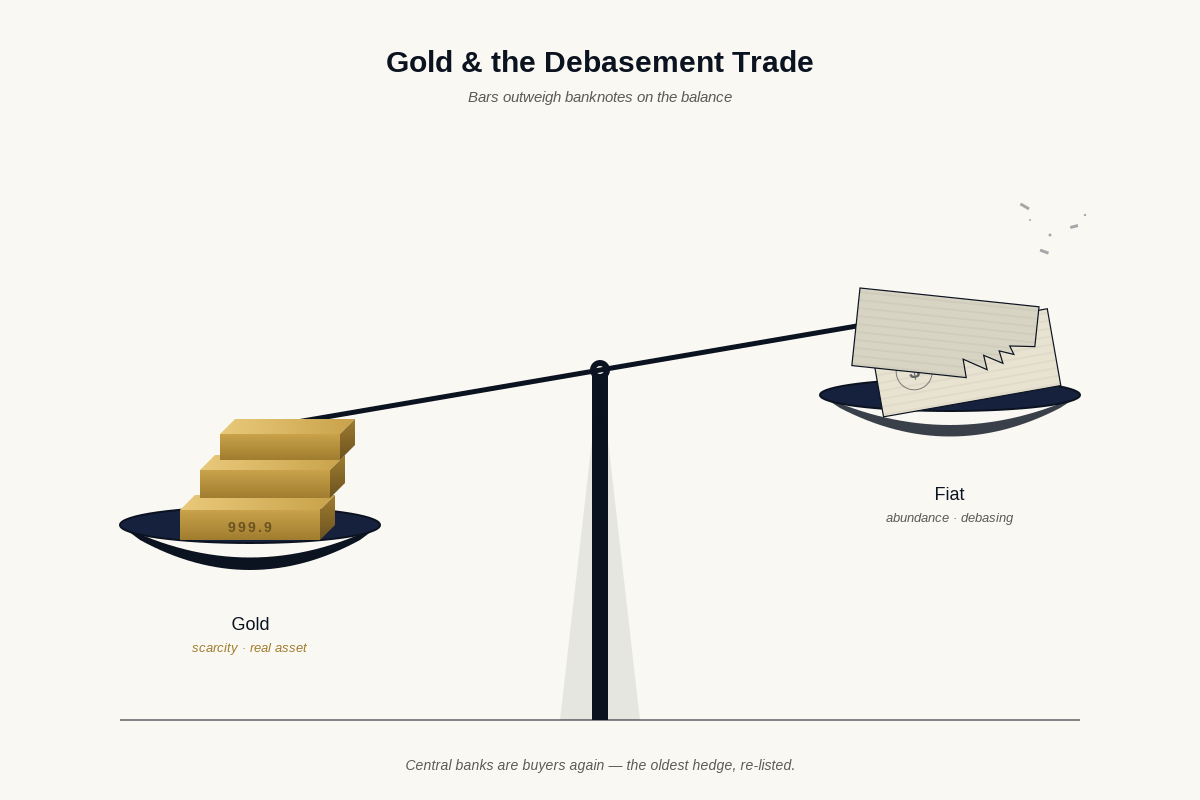
Gold & the Debasement Trade: Central Banks, Miners, and the New Monetary Order
Central-bank demand, real yields, mining economics and royalty models: a framework for comparing different forms of exposure to gold.
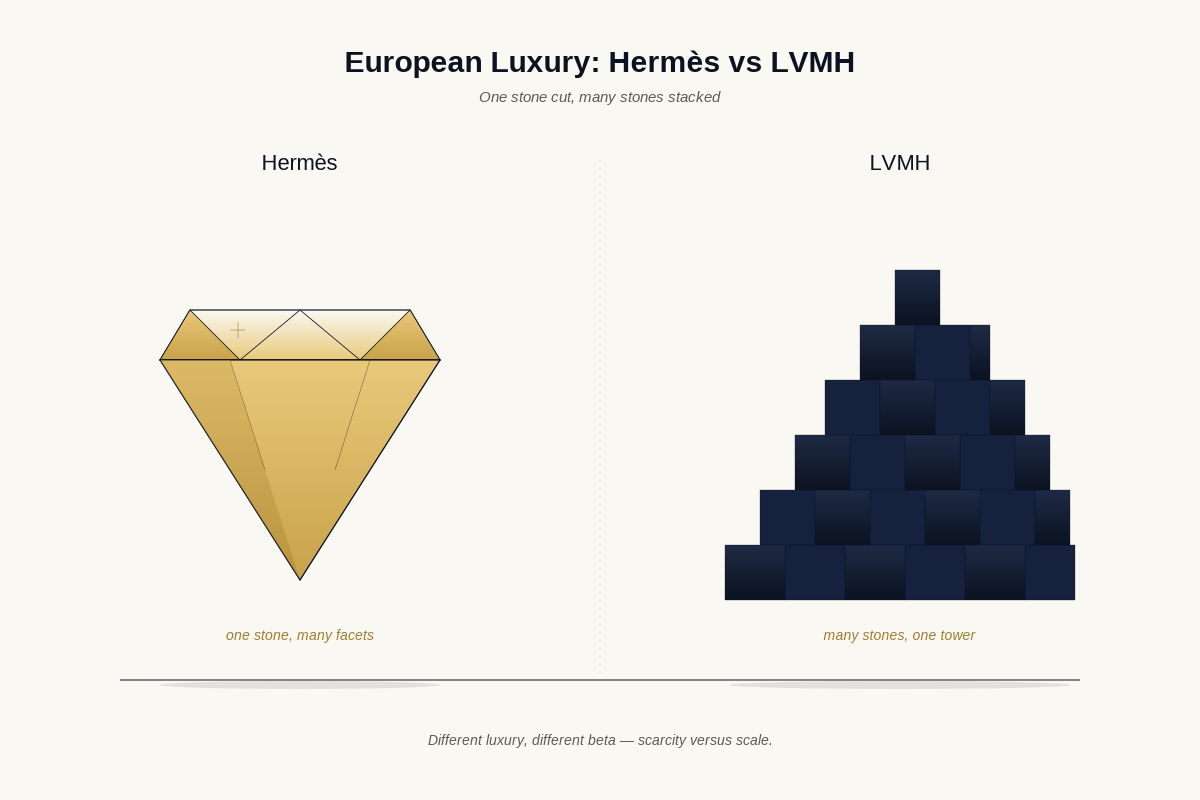
European Luxury: Hermès Quality vs LVMH Complexity
Compare scarcity, distribution, portfolio complexity and financial performance across European luxury businesses.

Networking & Optical Transceivers: Marvell Short, Credo & Astera Labs Long
Compare optical DSPs, active electrical cables, retimers and co-packaged optics, with attention to customer concentration and changing architectures.
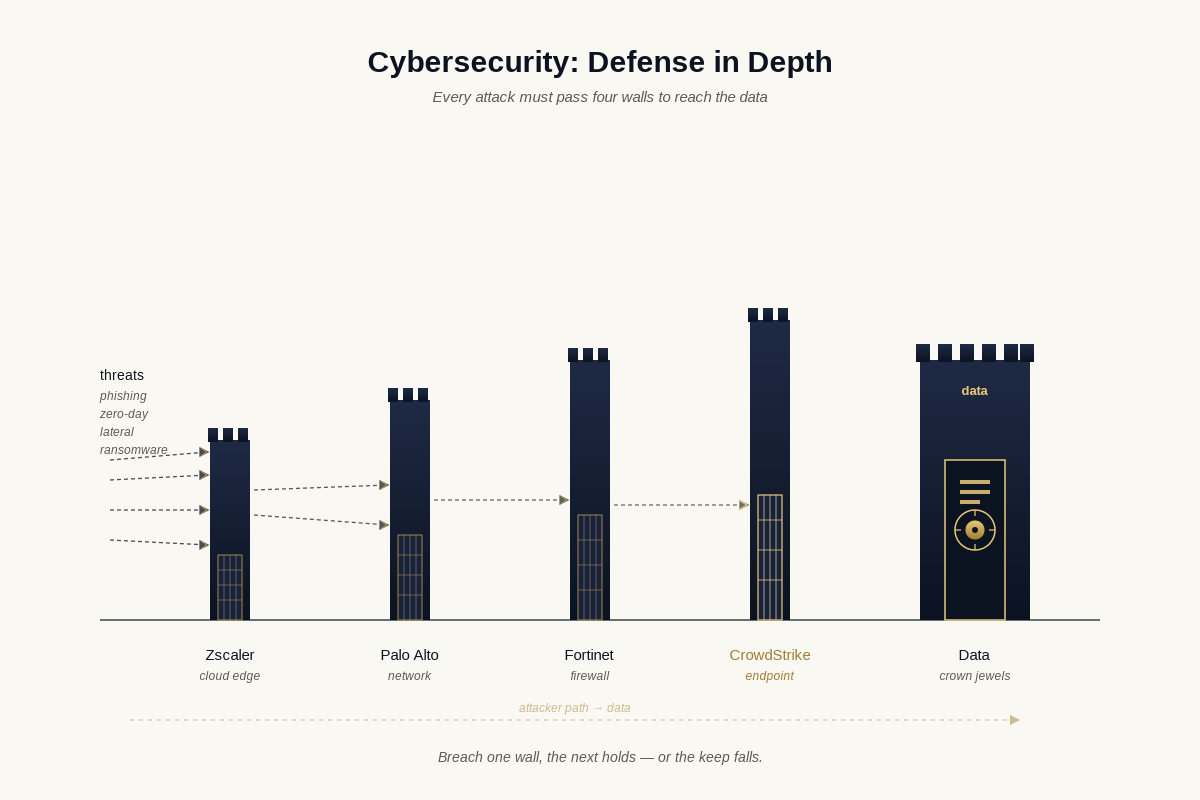
Cybersecurity at the Crossroads: Fortinet, Palo Alto, CrowdStrike, Zscaler
Platform consolidation, recurring revenue, competition and valuation across major cybersecurity vendors.
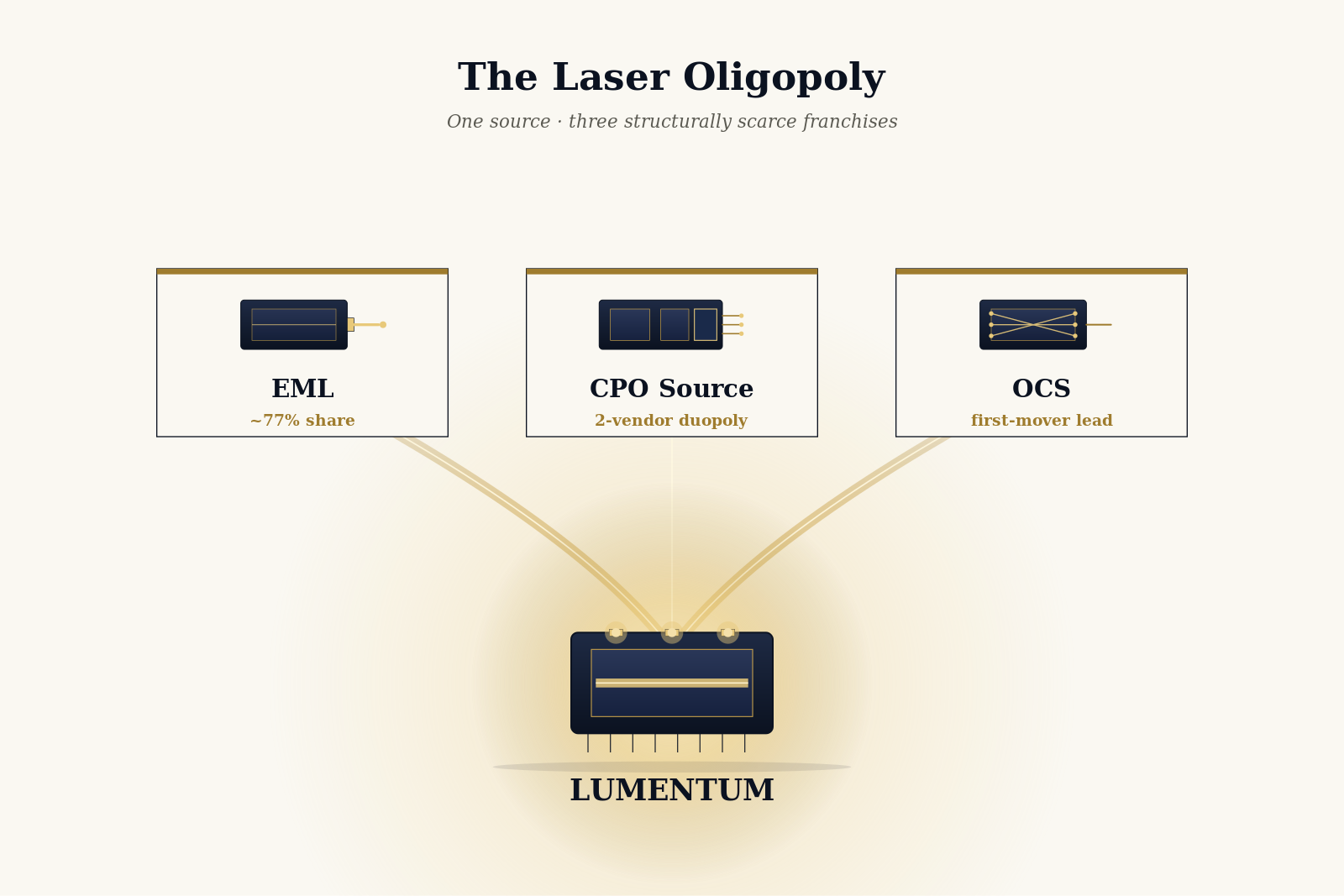
The Laser Oligopoly — Why Lumentum Is the Missing Trade on AI Optics
Examine laser sources, optical modules and circuit switching, and how their different economics shape the AI optical supply chain.
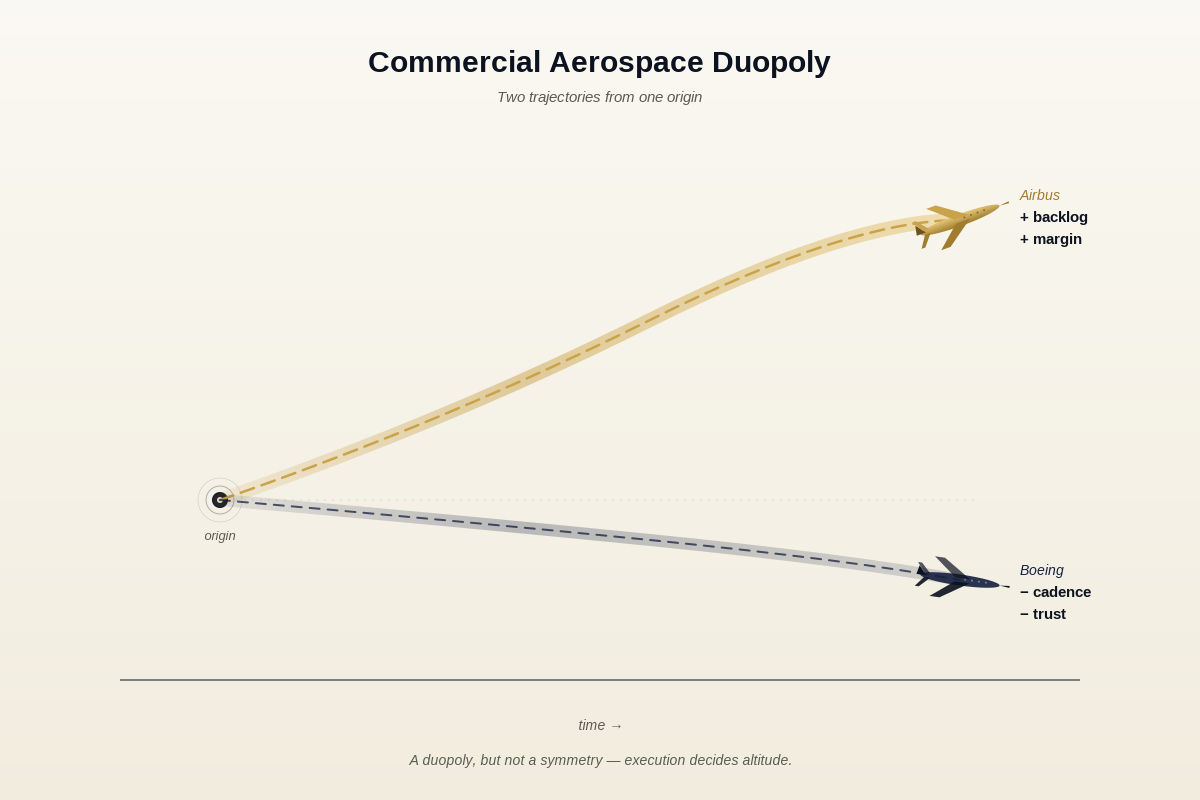
The Commercial Aerospace Duopoly: A Structural Divergence
Examine how aircraft mix, order backlogs, production constraints and balance sheets shape the economics of Airbus and Boeing.
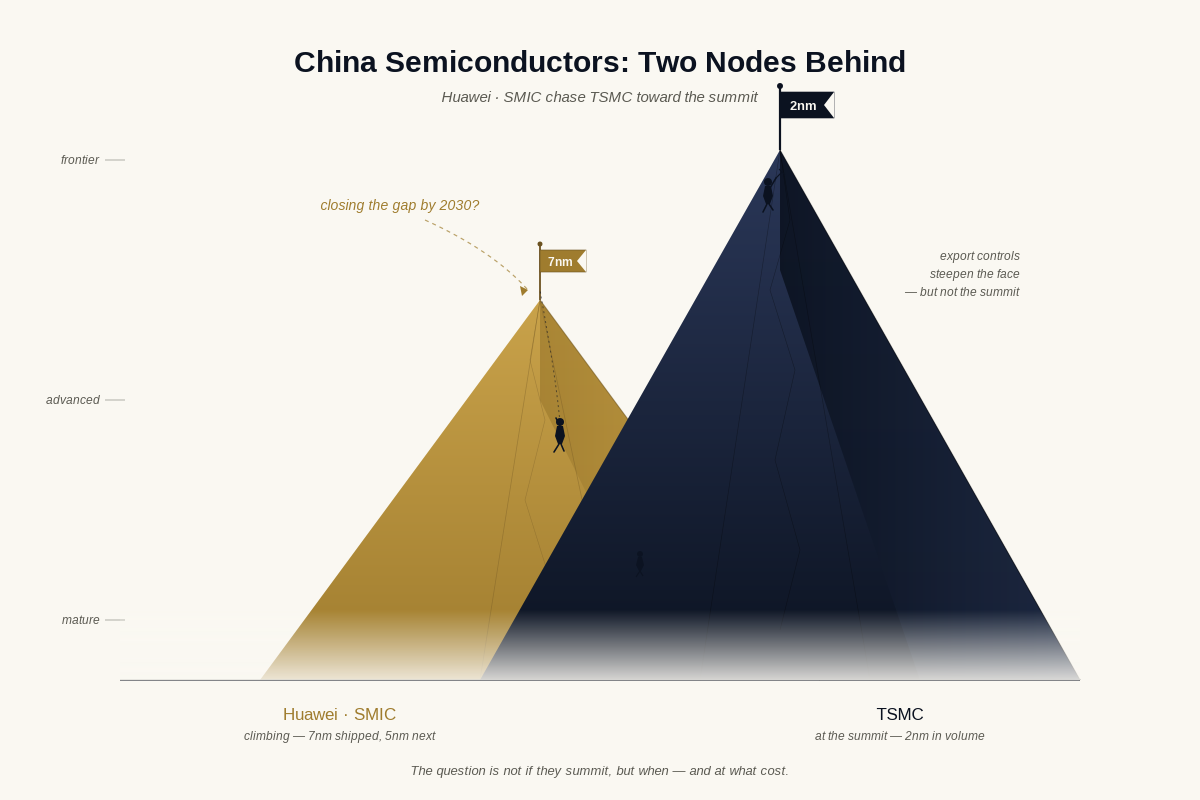
China Semiconductors: Huawei, SMIC & the 2030 Parity Question
Distinguish chip design, manufacturing yield, software compatibility and system economics when assessing China's semiconductor supply chain.
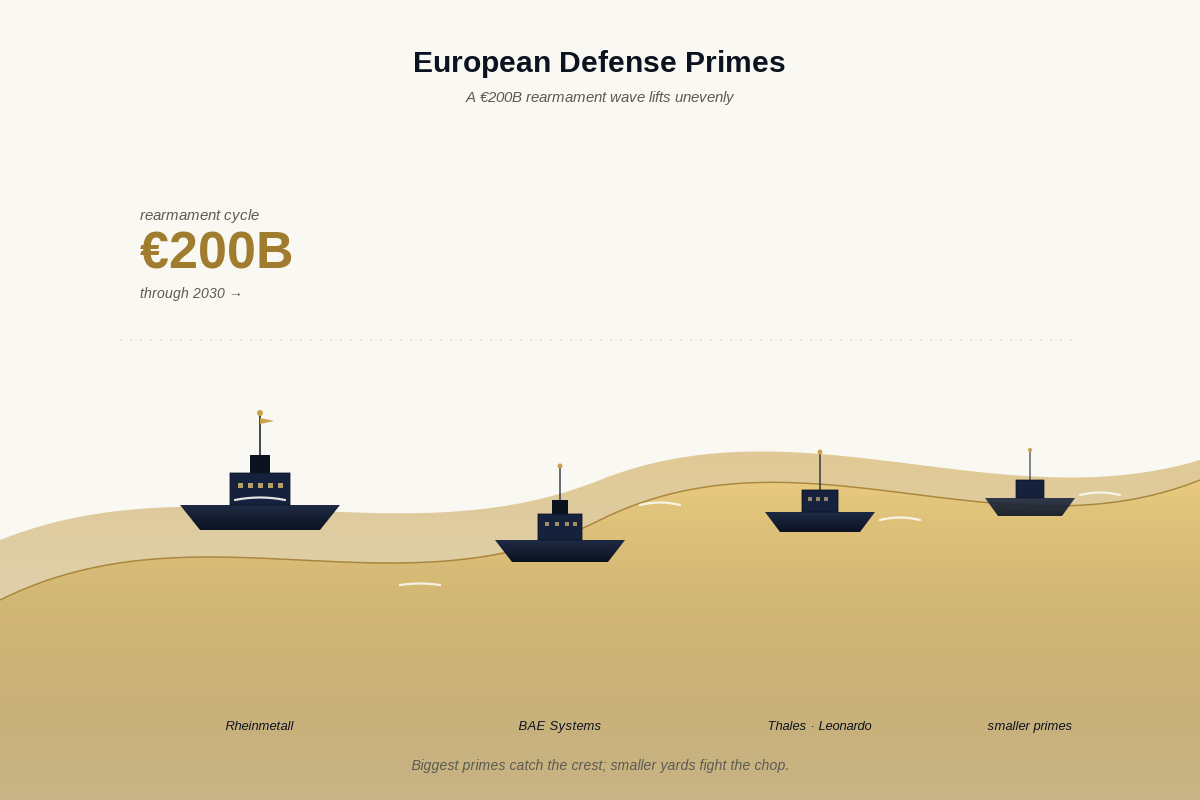
European Defense Primes: Differentiation Inside the €200B Rearmament Cycle
Compare aircraft, electronics, ammunition and missile suppliers through orders, production capacity and cash conversion.
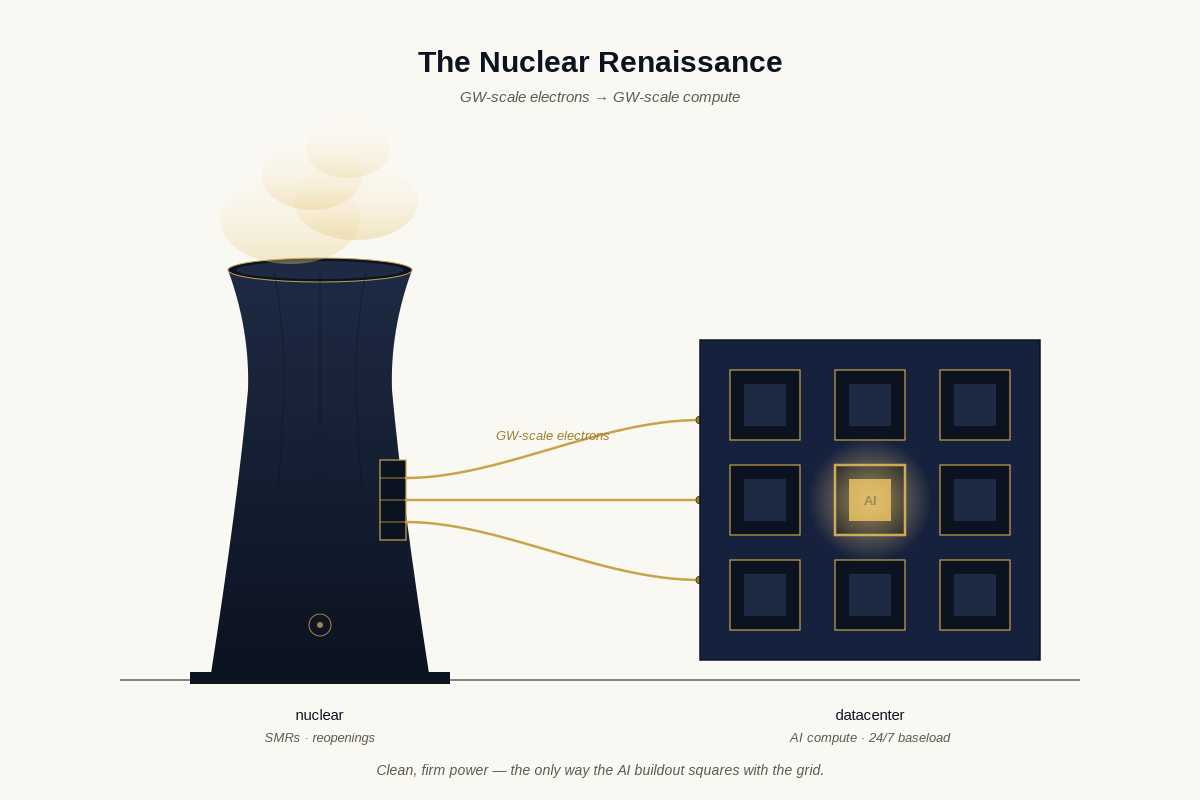
The Nuclear Renaissance: Powering the AI Gigawatt Economy
Separate near-term power availability from reactor development timelines, grid constraints and the economics of the nuclear fuel cycle.

Intel Foundry Reborn: The $200B Contrarian Turnaround
Assess the gap between process technology, external customer adoption, foundry economics and valuation under explicit scenarios.
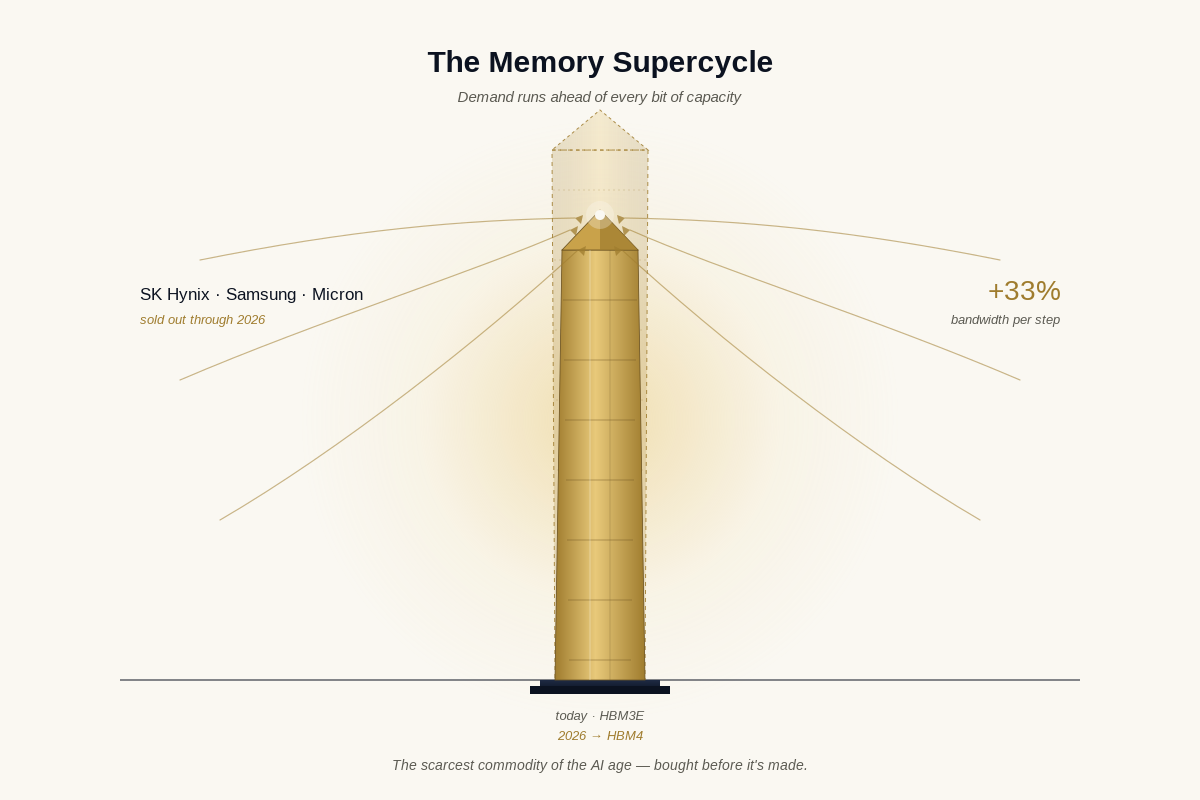
The Memory Supercycle: HBM Shortage Through 2030
Analyse HBM demand, packaging capacity and supplier exposure, separating disclosed results from long-term capacity assumptions.
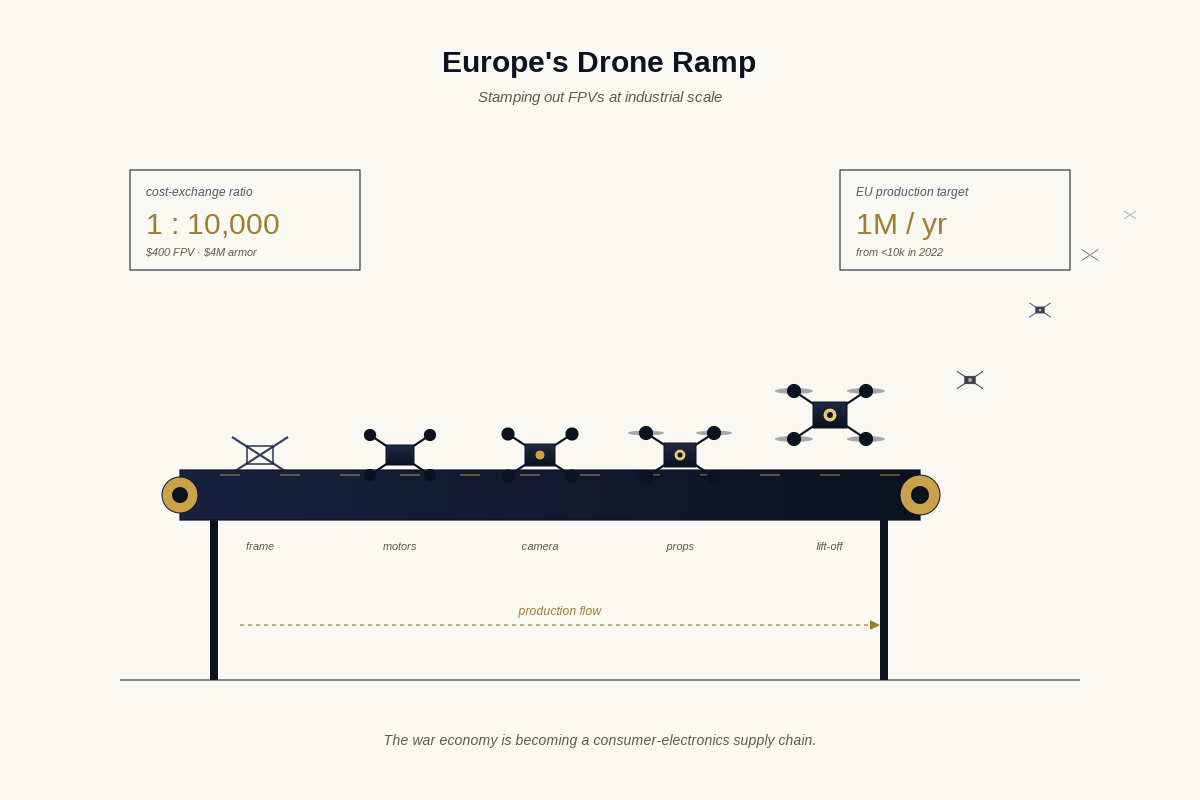
The European Defense Inflection: Drone Warfare Economics, the Ukraine Laboratory, and the Reindustrialization Imperative
Explore procurement, industrial capacity and the changing economics of drones, air defence and conventional platforms.

The Photonics Inflection: Co-Packaged Optics and the Race to Eliminate the Electrical Bottleneck
Compare pluggable and co-packaged optics, including power, reach, reliability and the trade-offs between laser architectures.
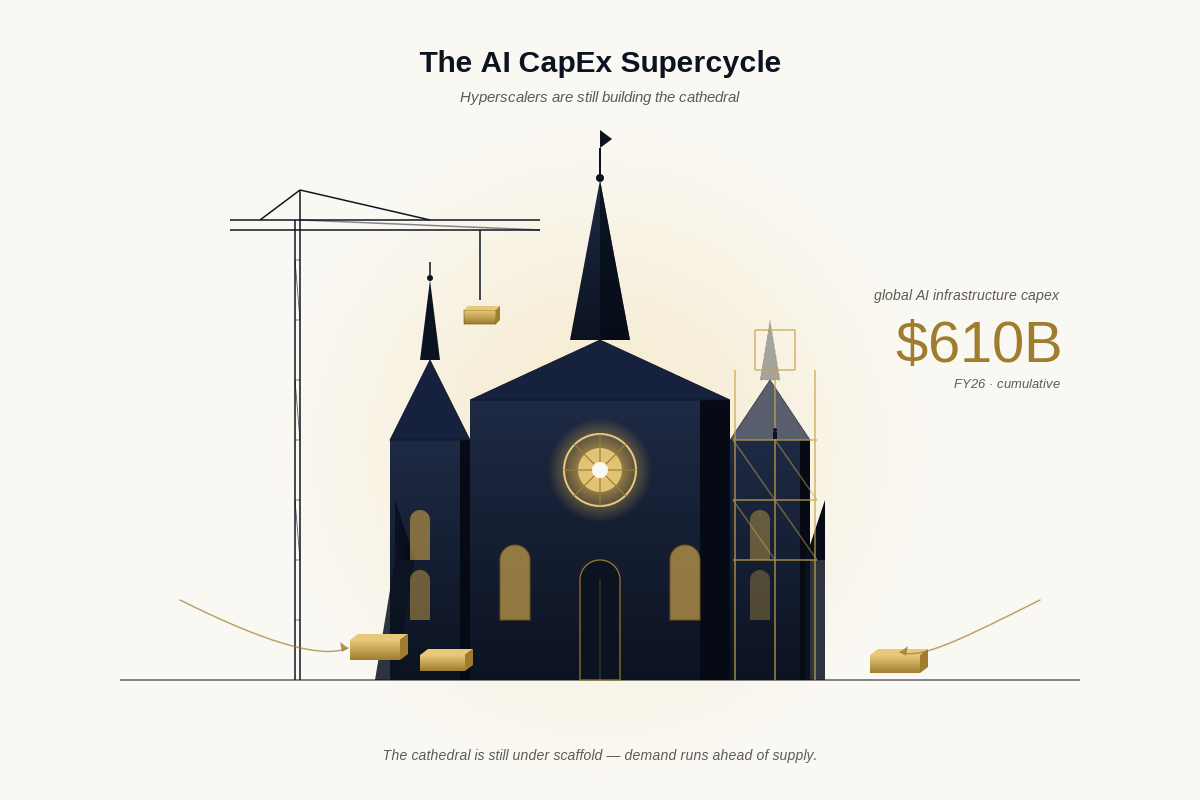
The AI CapEx Supercycle: Mapping the $610B Infrastructure Buildout
Follow AI infrastructure spending through semiconductor, packaging, networking and energy value chains, distinguishing demand from investment returns.